
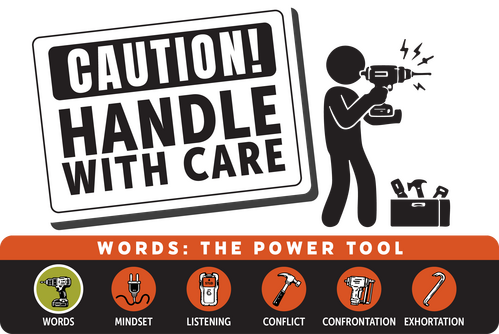
Learning How to Navigate Tough Conversations
Helping relationships and families with practical tools to help you speak with intention, listen with understanding, and handle conflict in a healthier way.
Whether you’re parenting toddlers or teens, just starting out or starting over—we're here for you in various ways!
Featured Resources

Rabbit Trail Podcast
Chasing Truth Wherever it Runs
Apple Podcast Download Here
Google Podcast Download Here
Spotify Podcast Download Here
Questions, Comments? Email RabbitTrail@OBCC.church
Google Podcast Download Here
Spotify Podcast Download Here
Questions, Comments? Email RabbitTrail@OBCC.church
HomeWord
Strong marriages, confident parents, empowered kids, and healthy leaders. We exist to strengthen and equip parents, couples, families and leaders.
Axis Parent Guide
Axis equips parents for gospel-centered conversations with their teen about faith and today's culture.
Fuller Youth Institute
We equip diverse leaders and parents so faithful young people can change our world.
Focus on the Family
Good Christian parenting is an art as well as a science. You will find plenty of wisdom, encouragement, and scripturally based guidance here.
The Parent Cue
Parent Cue is here to equip and encourage you to be the parent you want to be while raising kids with faith and character.
Right Now Media
World's largest streaming library of biblical resources. Free for Olive Branch! Check out parenting resources.
PAST SERMON MESSAGES
WHAT DO YOU SAY WHEN...
Learning How to Navigate Tough Conversations. From questions about mental health, identity, sexuality, and more, we’ll provide practical guidance, biblical truth, and real hope—so you’re not alone when the big questions come.
05. They Say, "I Want to Die"
May 25, 2025 • Greg Harris
04. They Say, "I'm Gay"
May 18, 2025 • Matt Furby
03. They Say, "I Don't Believe"
May 11, 2025 • Greg Harris
02. They Say, "I'm Pregnant"
May 4, 2025 • Greg Harris
01. Ground Rules for Convos
Apr 27, 2025 • Greg Harris
VITAL FAMILY
Lots of things in life are optional, but a few are vital. Do you know what God says is vital for your family that many people are now missing out on? Find out what that is in our next series called Vital Family.
FIRST IN
Every parent delays certain conversations with their children. The problem is, the world doesn’t wait until they’re ready to talk to the children! In this series we help be the “First In” in all of those conversations. And if not, find out what to do next!
QUESTIONS & ANSWERS
5 Action Steps for Helping Someone in Emotional Pain
ASK
“Are you thinking about killing yourself?”
It’s not an easy question, but studies show that asking at-risk individuals if they are suicidal does not increase suicides or suicidal thoughts.
KEEP THEM SAFE
Reducing access to lethal items or places
Reducing a suicidal person’s access to highly lethal items or places is an important part of suicide prevention. While this is not always easy, asking if the at-risk person has a plan and removing or disabling the lethal means can make a difference.
BE THERE
Listen carefully and acknowledge their feelings.
Listen carefully and learn what the individual is thinking and feeling. Research suggests acknowledging and talking about suicide may reduce rather than increase suicidal thoughts.
HELP THEM CONNECT
Call or text the 988 Suicide & Crisis Lifeline Number (988).
Save the 988 Suicide & Crisis Lifeline number (call or text 988) and the Crisis Text Line number (741741) in your phone so they’re there if you need them. You can also help make a connection with a trusted individual like a family member, friend, spiritual advisor, or mental health professional.
STAY CONNECTED
Follow up and stay in touch after a crisis.
Staying in touch after a crisis or after being discharged from care can make a difference. Studies have shown the number of suicide deaths goes down when someone follows up with the at-risk person.